what we do
learning for life
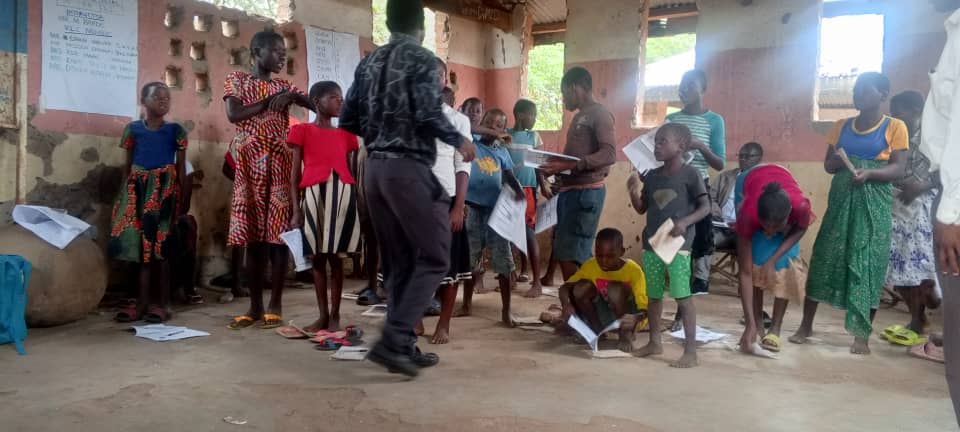
Students engage in AGLIT literacy and numeracy classes that go beyond basic reading and writing. These sessions are designed to strengthen critical thinking, communication, and comprehension skills while linking learning directly to real-life health issues that affect adolescents and their communities.
Philosophy
Reading skills were to relate to existing local literacy uses. Girls would acquire and practise their reading skills in the course of practical activities, including those relating to health education. In keeping with our premise that literacy belongs outside the classroom, the girls would learn to read ‘real materials’. These are texts routinely used in the environ- ment—posters, public notices, food packets, medical cards, and newspapers—as opposed to textbooks, which essentially belong inside the classroom.
Community Engagement & Dialogue
AGLIT actively engages district authorities, traditional leaders religious leaders, and Village Education Committees to promote open dialogue around adolescent health. These partnerships help align education programs with cultural values while addressing practices that put young people at risk.
Philosophy
Health topics would be chosen on the basis of local health priorities, identified jointly by health workers in the programme and the community. We sought a curricular structure that would enable the providers, the teachers, and the girls themselves to explore and, where necessary, modify their existing knowledge, attitudes, and practices (KAP) on health matters
Bridging health and education
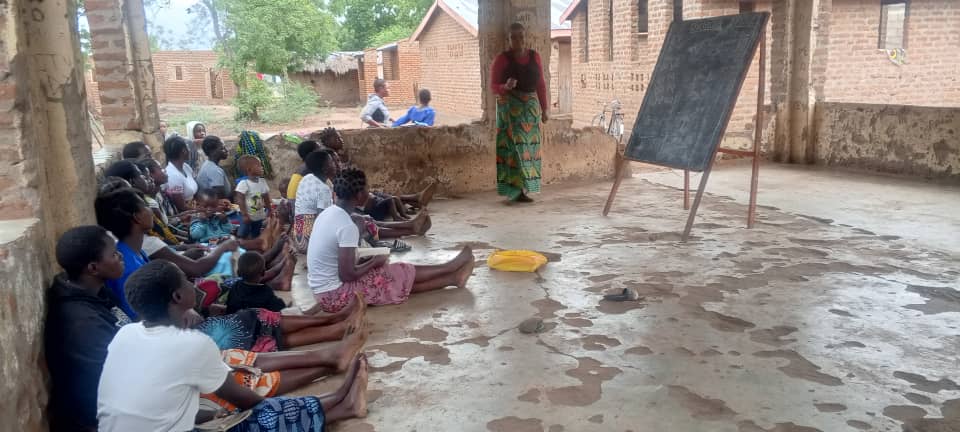
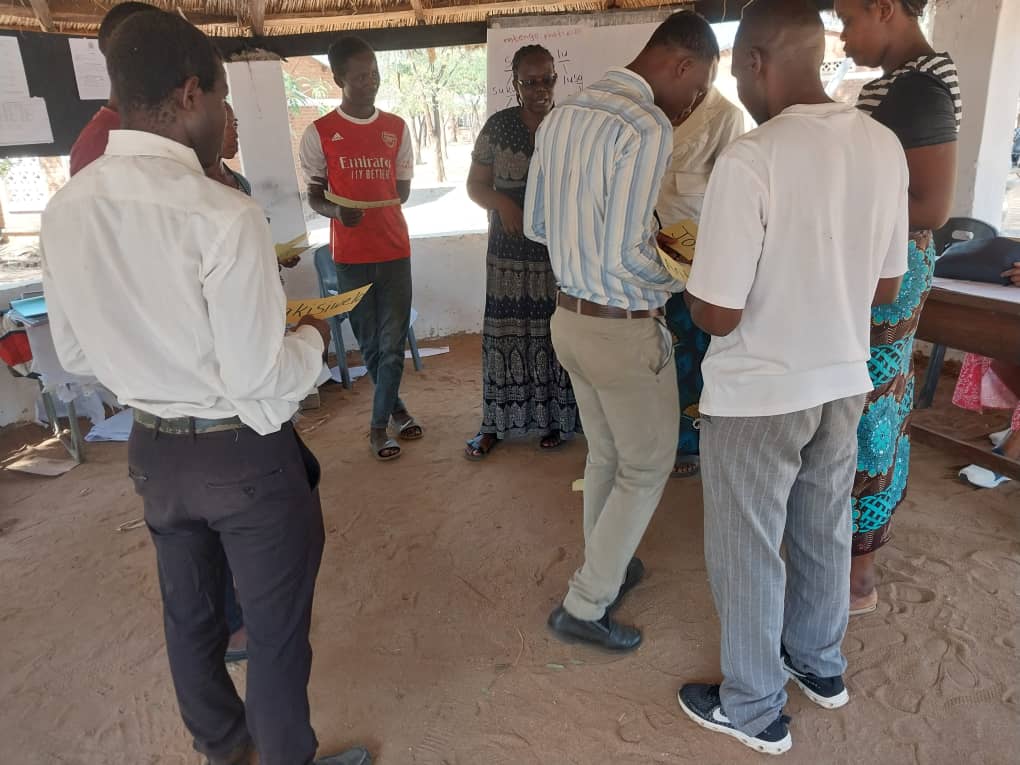
AGLIT classrooms integrate literacy and numeracy with health education helping students understand how education influences personal wellbeing. By learning to read, write, and interpret health information, adolescents are better equipped to seek care and protect their health
Philosophy
Reading skills were to relate to existing local literacy uses. Girls would acquire and practise their reading skills in the course of practical activities, including those relating to health education. In keeping with our premise that literacy belongs outside the classroom, the girls would learn to read ‘real materials’. These are texts routinely used in the environ- ment—posters, public notices, food packets, medical cards, and newspapers—as opposed to textbooks, which essentially belong inside the classroom.