Adolescent Girls Literacy
PLUS
find a curriculum that works under trees: literacy and health education for adolescent girls in rural Malawi
AGLIT originated in Chikwawa District in southern Malawi in response to a study of pregnant women which confirmed the strong relationship between education and poor childbirth out- comes, such as low birth weight, along with other factors such as anaemia (affecting 75 per cent of first-time young mothers). This is in a context in which about half of the first-time pregnancies were among adolescents and 25 per cent of girls under 17 years of age were HIV-positive (Brabin et al. 1998). A further study of just over 100 non-pregnant adolescent girls in the same district confirmed a high prevalence of anaemia and vitamin A deficiency, and very poor knowledge of health matters including AIDS (Fazio-Tirrozzo et al. 1998). The programme aimed to improve the girls’ health, especially their reproductive health, through a combined literacy and health education curriculum.
background
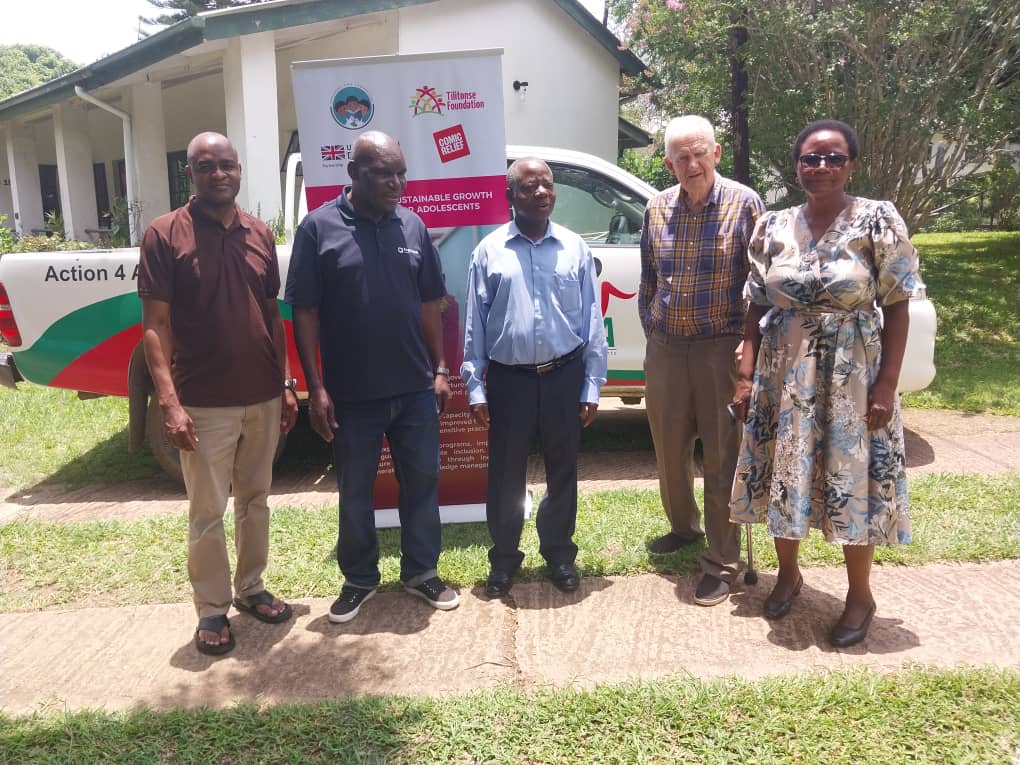
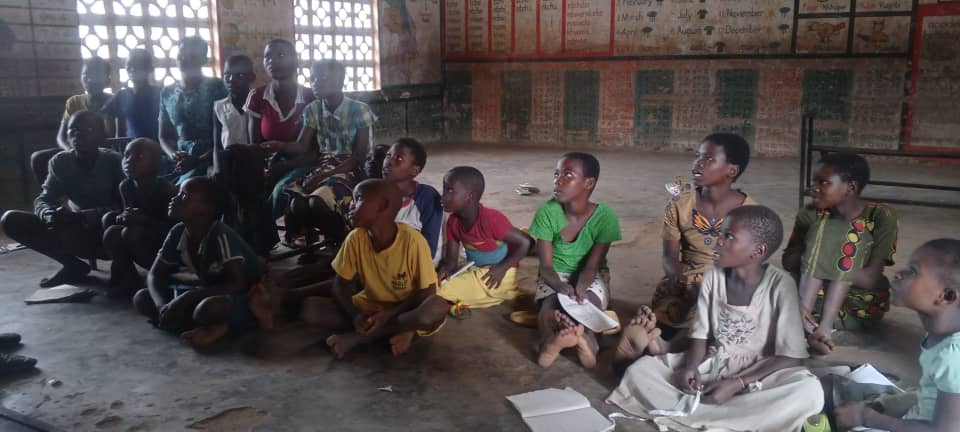
AGLIT was initiated by the college of medicine in Malawi and Liverpool School of Tropical Medicine (UK) in response to a study which found a strong link. The original curriculum comprises of literacy, numeracy between illiteracy and poor adolescent health outcomes. The original curriculum comprised of literacy, numeracy and health education only but the curriculum has been revised and includes, Life Skills, Nutrition and HIV/AIDS. Youth Clubs were developed as a vital sequel to classes to reinforce girls learning, income generation. Income because a chief youth club activity since poverty prevents girls from accessing health services and applying their health knowledge.
our objectives
Literacy & Health Empowerment
To reduce illiteracy—especially among adolescent girls and boys—and improve their health-seeking behaviour so as to lower the incidence of HIV/AIDS and other endemic diseases in Malawi. AGLIT will promote basic literacy and health literacy together, so young people can read, understand, and act on l
Adolescent Empowerment & Culturally Appropriate Learning
To empower and promote the health of adolescent girls and boys and offer them opportunities to learn in culturally acceptable ways. AGLIT creates safe, respectful learning spaces where adolescents gain life skills, health knowledge, and confidence in ways that honor local culture and traditions. Pro
Nutrition Education to Reduce Child Stunting
To reduce stunting in children through learning about food and nutrition. AGLIT will support caregivers and communities with practical nutrition education that targets the root causes of stunting. Activities include guidance on breastfeeding and complementary feeding, household food diversification,
stories about our work
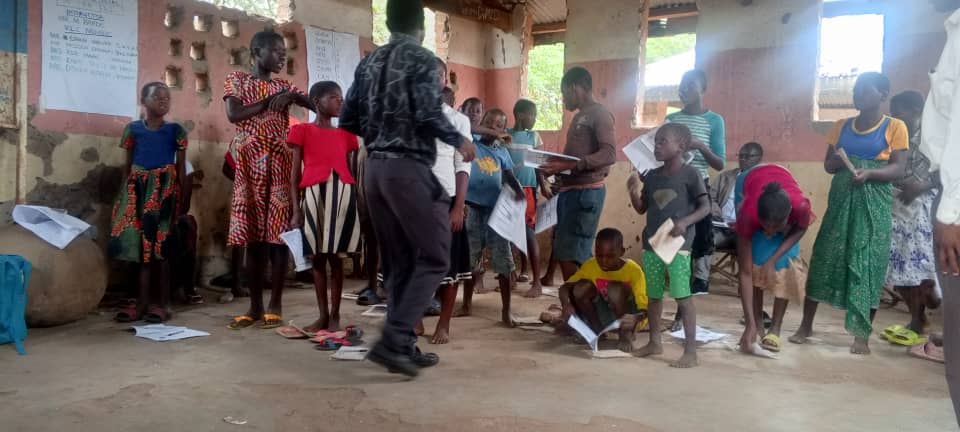
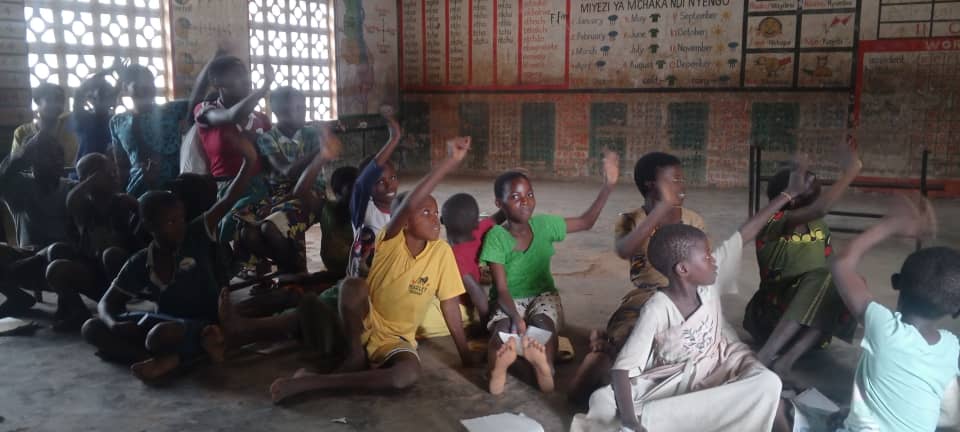
The AGLIT programme has a positive impact on many young people in malawi. Girls and boys aged 10-19 years in more that 300 Malawian villages approximately 6300 can now:
Read and write
Able to look after their babies and prepare nutritious diets for babies and the family in general
Re-hydrate babies and young children at risk of dying from diarrhea
Understand the vital importance of hand washing and other simple hygiene practices
Give basic aid
Insist on safe sex and going for HIV with their partners
Earn a small income to support themselves through growing and selling produce
Challenge negative behavior
current partners